



There's a quiet shift happening in homes across Chesterfield, Bolsover and the wider North East Derbyshire area. More and more families are deciding that, with the right support, Mum or Dad can stay exactly where they want to be — in their own home, surrounded by their own things, on their own terms. In this post we look at why care at home is becoming the first choice for so many families locally, and what to consider when you're starting that conversation.
Home is more than four walls
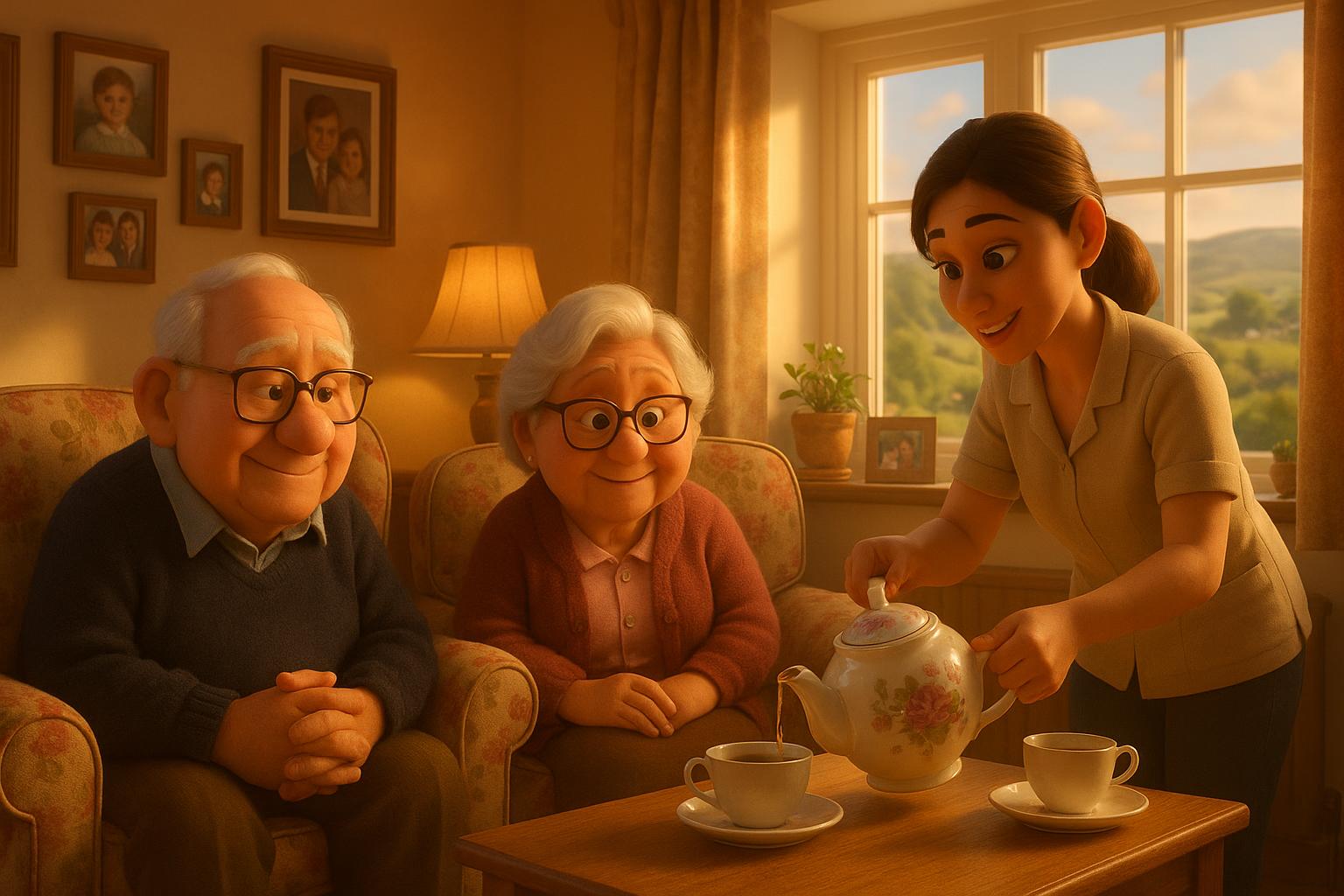
When we talk to families across Chesterfield and the surrounding villages, the same theme comes up again and again. Home isn't just a building. It's the chair by the window where Dad has done his crossword every morning for forty years. It's the kitchen where Mum still knows exactly which drawer the tea towels live in. It's the garden she planted, the photographs on the mantelpiece, the neighbour who pops round on a Tuesday.
For older people, familiar surroundings do something that's hard to measure but easy to feel. They steady you. They hold your memories in place. For anyone living with the early stages of dementia in particular, staying somewhere familiar can make a genuine difference to confidence and wellbeing. The cues are all around — the same light through the same curtains, the same path to the bathroom — and that quiet familiarity does a lot of gentle work.
One size has never really fitted
Care homes do important work, and for some families they're absolutely the right answer. But for many others, the prospect of leaving a much-loved home feels like a step further than they need to take. What they're actually looking for is help with the parts of the day that have become harder — getting up and dressed, a hand with medication, a bit of company at lunchtime, a hot meal in the evening — without giving up everything else.
That's what good domiciliary care offers. Rather than reshaping your loved one's life around an institution's routine, it shapes the support around their life. If Dad has always had a bath on a Sunday morning before the football, that doesn't have to change. If Mum likes her toast a particular way, the carer learns that on day one.
The local picture: home care in Chesterfield and North East Derbyshire
The towns and villages around us — Chesterfield, Bolsover, Clay Cross, Dronfield, Eckington, Killamarsh, and across to Worksop and Mansfield — are full of older people who've lived in the same community for decades. Family is often nearby but not always next door, and adult children are juggling work, their own families, and the steady worry of wondering whether things are alright at home.
Home care fills that gap in a way that feels manageable and human. A familiar carer arriving at an agreed time, doing what's been agreed, and quietly letting the family know if anything changes. For families who started out doing everything themselves, that first regular visit can lift an enormous weight. You stop being the person who has to remember the medication and start being the son or daughter again.
What care at home actually looks like day to day
One of the most common things we hear from families starting out is, "I'm not really sure what we'd be asking for." That's completely understandable, and it's worth saying that good home care can be as light or as involved as you need.
For some people, it's a single morning visit — help with a wash, getting dressed, breakfast, and a tablet check before the carer heads off. For others, it's two or three visits a day covering meals, personal care and a settled bedtime routine. For families managing more complex needs, it can mean longer calls, double-up visits, or live-in arrangements that mean someone trusted is always there.
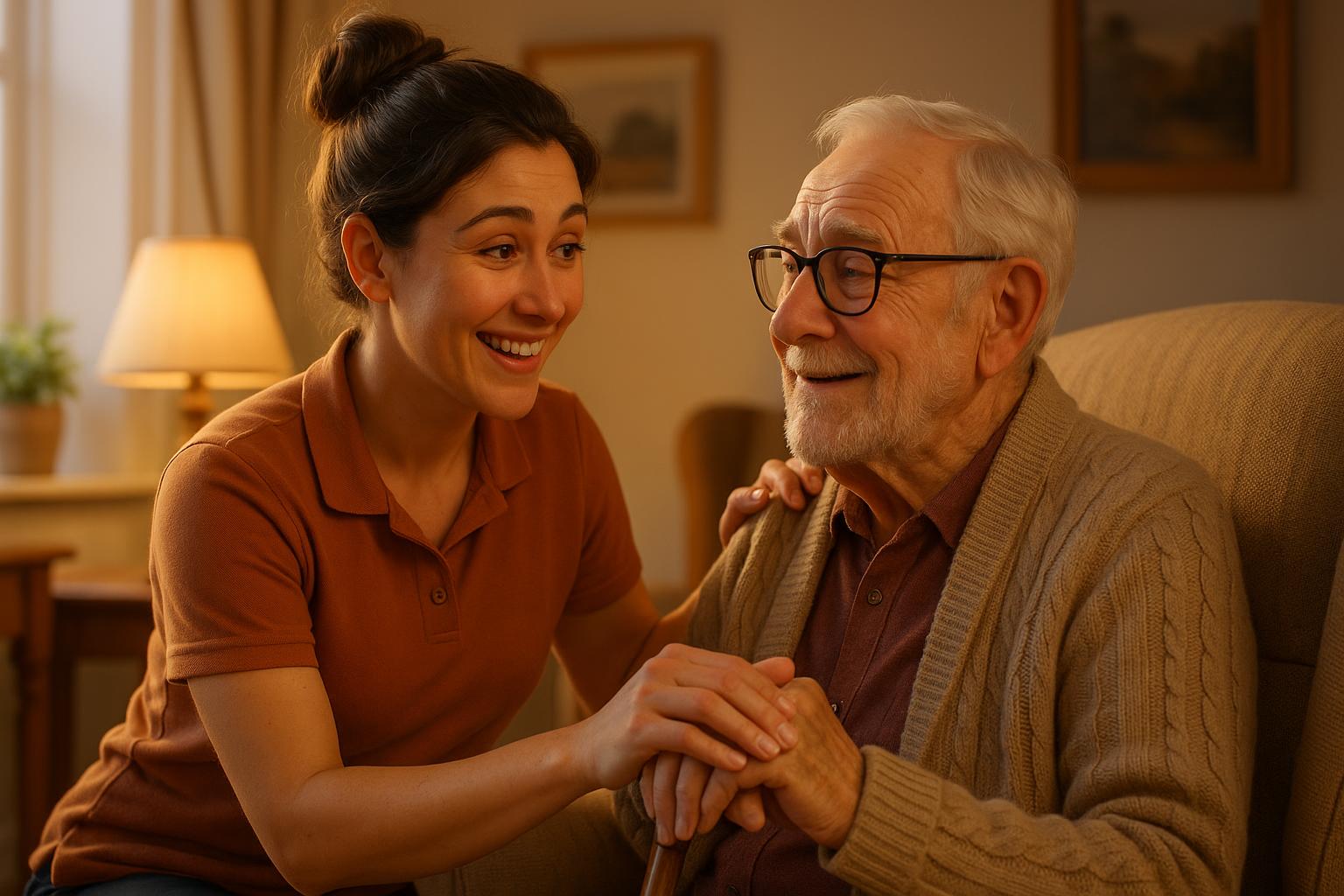
The other thing care at home offers, which is harder to put on a list, is companionship. A friendly face, a proper conversation, someone to notice if today isn't quite the same as yesterday. For older people who live alone, that human contact is often the thing that matters most.
Independence, on your own terms
The phrase we hear most often from the people we support is "I just want to stay independent." It's worth saying out loud that accepting some help is not the opposite of independence — it's often what makes independence possible. With a carer dropping in to handle the bits that have become tricky, an older person can carry on doing all the things they still love and manage perfectly well: the puzzle, the phone calls to the grandchildren, the trip to the corner shop, the garden in summer.
When families start thinking about home care
There's rarely a single moment that prompts a family to look into care at home. More often it's a gradual building up of small concerns. A fall that thankfully wasn't serious. Medication boxes that aren't quite emptying as they should. Shopping that hasn't been put away. A growing sense that the family member doing most of the supporting is running on empty.
If any of that sounds familiar, you're not behind — you're exactly where most families are when they first reach out. Our advice is always the same: have the conversation early, even if you only end up putting in a small amount of support to begin with. Starting gently, while your loved one is still very much in charge of their own life, makes everything that follows easier.
How to start the conversation
Talking to a parent about accepting help is one of the more delicate conversations a family can have. A few things tend to make it easier. Lead with what they want, not what you're worried about — "we want to help you stay here for as long as possible" lands very differently from a list of things they're no longer doing well. Involve them in choosing who comes through the door. And remember that a small trial is a perfectly reasonable place to start; nothing has to be decided forever on day one.
It's also worth thinking practically about what good looks like. A reliable, well-trained team. Carers who turn up when they say they will. Genuine continuity, so your loved one isn't meeting someone new every visit. Clear communication with the family. CQC registration and a manager you can actually get hold of. These are the basics, and they make all the difference.
If you'd like a chat
If you're starting to think about home care for someone you love in Chesterfield, Bolsover, North East Derbyshire or the wider area, we'd be very happy to talk things through with no pressure and no commitment. Sometimes the most helpful thing is simply a friendly conversation about what's going on and what the options might look like. Whenever you're ready, we're here.


